
Why Does My New Santa Fe Hybrid Blow Hot Air Near the Floor?
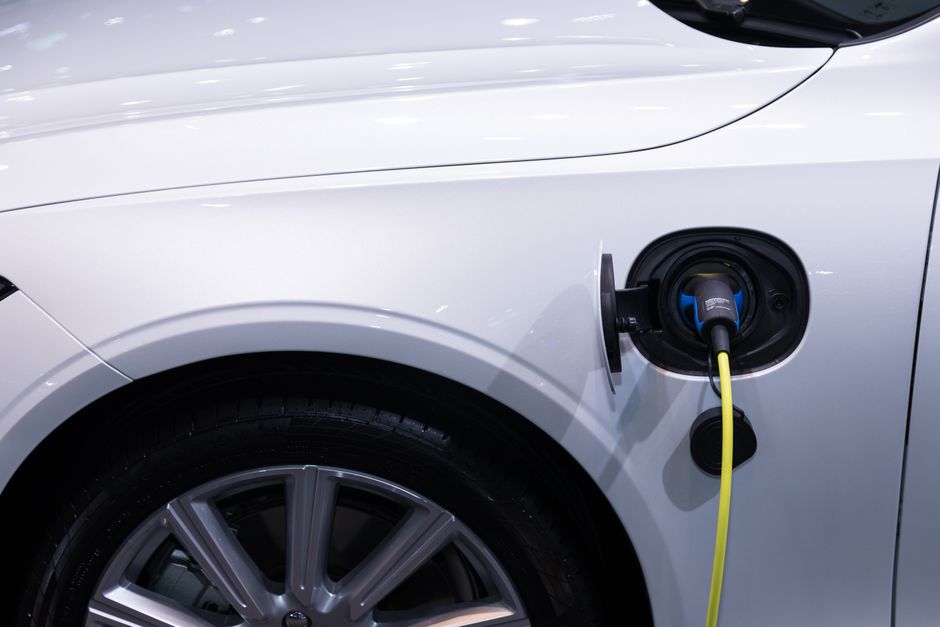
In the new Santa Fe Hybrid, Hyundai places the high-voltage battery under the front seat and identifies a cooling duct below the passenger seat; the owner’s manual warns that blocking it can overheat the battery. Owners report warm airflow at a second-row floor opening, but the forum accounts do not establish an official airflow route or prove a defect. Ask a Hyundai dealer to inspect and document the duct and airflow without altering them.
Why is hot air blowing from the floor under the second-row passenger seat in my Santa Fe Hybrid?
Owners report feeling air or heat near an opening in the floor under the passenger-side second-row seat, but the available reports do not prove why it is happening in any particular vehicle. One forum participant said the airflow was most noticeable at highway speed in hot weather, even with the air conditioning on. That account describes a condition, not a verified diagnosis.
A forum owner also recounted that a dealer mechanic showed an intake below the front seat, with air passing around the battery and leaving through an opening under the second row. Treat that as an owner’s description of a conversation—not an official Hyundai explanation of the airflow route. The distinction matters: a report can help you describe what you feel, but it cannot confirm that your vehicle is operating normally or has a fault.
When you speak with the dealer, make the observation reproducible. Note the seat position, whether the vehicle is moving or stopped, the weather and cabin climate-control settings, and the exact place where you feel air or heat. Those details give the technician a clearer starting point than “the floor gets hot.”
Is the airflow near the second row part of the hybrid battery cooling system?
Hyundai’s 2024 Santa Fe Hybrid owner’s manual confirms that the high-voltage hybrid battery is under the front seat and that the battery cooling duct is below the passenger seat. The manual says the duct cools the battery and warns that a blocked duct may cause the battery to overheat. It does not, in the information provided here, confirm the specific outlet route described in the forum.
The manual gives owners a clear safety boundary: do not cover the cooling duct, put objects into it, or clean it with a wet cloth. If it is blocked, contact a Hyundai dealer. Hyundai also says hybrid-system inspection should be handled by an authorized dealer and warns owners not to touch or disassemble high-voltage components.
That means the useful owner task is observation and documentation—not taking the trim apart or trying to redirect airflow. Tell the dealer what you noticed and ask whether the cooling duct and nearby opening are clear and operating as intended. If a warning appears, airflow changes sharply, or another change in vehicle operation accompanies the heat, report that as well and arrange an inspection.
Hyundai’s 2026 specifications list a lithium-ion battery rated at 270 volts and 1.49 kWh across the listed trims. Those specifications confirm the hybrid system’s battery details; they do not verify the second-row airflow route or establish how common complaints are.
Does the hot-air issue affect the 2025 and 2026 Santa Fe Hybrid?
Forum participants have reported the concern on vehicles from more than one model year, including reports involving 2025 and 2026 Santa Fe Hybrids. One participant in the continued discussion said the issue was still present in their 2026 Santa Fe Calligraphy. These are individual reports, not a verified count of affected vehicles.
The earlier forum discussion also includes reports involving 2024 and 2025 hybrids, including an owner who noticed the airflow on a long trip. A separate participant said a dealer described the arrangement as a design feature, but that is a reported conversation rather than a written Hyundai statement. The available evidence therefore supports a careful conclusion: owners have described similar sensations across years, while the cause, prevalence, and whether any particular vehicle has a defect remain unconfirmed.
Do not use a model-year comparison as a substitute for an inspection. If you own a 2025 or 2026 vehicle, give the dealer your vehicle’s year and trim, explain the conditions when the airflow occurs, and ask for the findings to be recorded on the repair order. For broader context when comparing family vehicles, see this guide to three-row SUV comfort, cargo, fuel, and towing.
Frequently Asked Questions
Should I be concerned if the floor or air near the hybrid battery vent feels hot?
Warm airflow alone does not establish a defect, and the owner reports do not define what temperature is normal. If the duct appears blocked or the concern persists, ask an authorized Hyundai dealer to inspect the hybrid system; seek prompt inspection for a warning or other change in vehicle operation.
What should I ask the Hyundai dealer to inspect or document?
Describe exactly where and when you notice the airflow, and ask the dealer to inspect the battery cooling duct and relevant floor opening under Hyundai procedures. Request that the repair order record your conditions, the inspection performed, and the findings, including whether the duct is clear.
Can I safely cover or block the floor opening to stop the hot air?
No. Hyundai warns owners not to cover or obstruct the battery cooling duct, insert objects into it, or clean it with a wet cloth because blockage may cause battery overheating. Have a Hyundai dealer assess the airflow rather than modifying or covering an opening.
Sources
- Hyundai Motor America, 2024 Santa Fe Hybrid Owner’s Manual
- Hyundai USA, 2026 Santa Fe Hybrid Specifications
- Hyundai Santa Fe Forums, “Hot Air Blowing Through Floorboard Hole – 2025 Santa Fe Hybrid Calligraphy”
- Hyundai Santa Fe Forums, Page 2 of “Hot Air Blowing Through Floorboard Hole – 2025 Santa Fe Hybrid Calligraphy”
Read next

Find a Quality Italian Restaurant Near You With This Diner's Checklist
Use menus, regional dishes, reviews, ingredient labels, and reservation signals to choose a quality Italian restaurant near home.
Negotiate a Toyota Highlander Deal Without Financing Traps
Learn how to compare Toyota Highlander quotes, separate real discounts from financing incentives, and negotiate the out-the-door price.

Which Used Jeep Wrangler Should a First-Time Owner Buy?
A practical used Jeep Wrangler guide covering years, engines, steering checks, modifications, and Sport versus Rubicon value.

Choose the Right Three-Row SUV for Adults, Cargo, and Towing
Compare three-row SUVs by adult third-row comfort, cargo with every seat up, hybrid fuel savings, and family towing needs.