
What Should I Put Around an Above-Ground Pool?
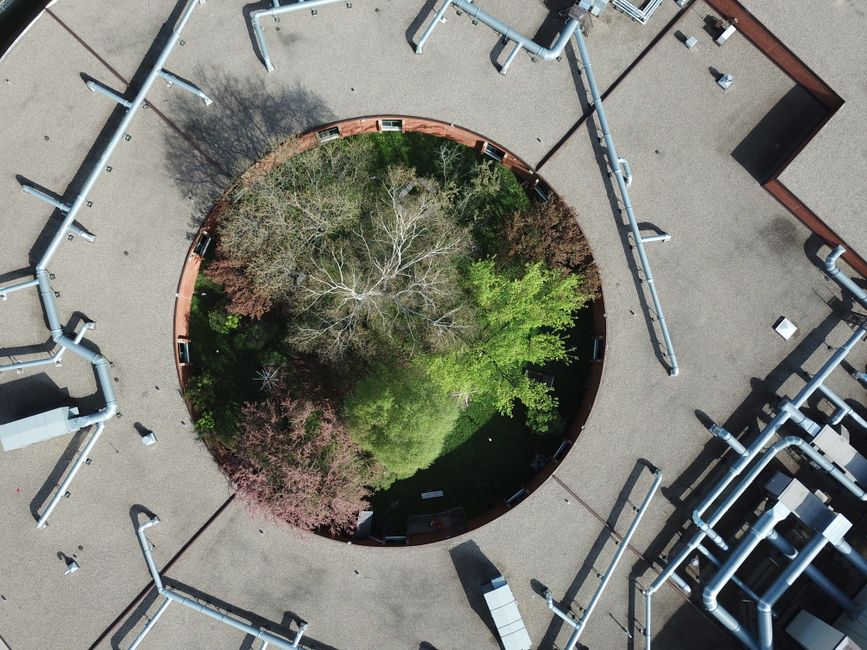
Use a clear, firm perimeter rather than loose material against the pool: keep gravel, rocks, mulch, and edging off the liner and away from supports; use a drained walking surface outside that perimeter; and direct splash-out and rainwater away from the base. For most setups, the safest look is a compact, level pool site with a separate mulched planting bed or pervious-paver path.
What can I put around an above-ground pool to make it look better?
Put the decorative material beside the pool system, not under it or pressed against it. The useful layout is simple: pool base, clear inspection gap, then a walking zone or planting bed. That separation reduces the chance that loose material migrates under the liner and keeps the wall and supports accessible.
Start with the non-negotiable layer. Bestway says its pools need a completely flat, solid, level surface and explicitly says not to set them up on gravel, asphalt, driveways, decks, or platforms. It also says not to use sand as leveling material because it can shift; excavate until the ground is level instead. For an Intex frame pool, the same operating rule applies: its manual calls for flat, level, compact ground and warns that an improper setup can lead to collapse.
Once that footprint is correct, choose the finish by job, not by appearance alone. A separate path handles muddy feet. A planted bed softens the view. Edging keeps the two from drifting into one another.
| Option outside the pool footprint | Best use | Watch-out |
|---|---|---|
| Organic mulch | Planted beds and weed suppression | Keep it out of the clear perimeter and do not pile it so deeply that water flow to roots is restricted. |
| Gravel or rock | A separate path where infiltration is useful | Do not use it as the pool base; in sunny locations it can radiate heat and increase water loss from nearby non-arid plants. |
| Pervious pavers | A more defined walking route | Use outside the pool footprint, with drainage that moves water away from the base. |
| Rubber mulch or artificial turf | Appearance-only choices outside the clear perimeter | The supplied sources do not establish them as a safe leveling layer or a drainage solution, so neither replaces the manufacturer's base requirements. |
The EPA WaterSense landscaping guidance gives organic mulch a clear role: it can reduce evaporation, suppress weeds, moderate soil temperature, and improve soil as it decomposes. Apply it to planting areas, not as a hidden fix for an uneven pool base. EPA recommends 3 to 4 inches for most planted areas.
Use an edging line as a boundary, not a dam. A low, stable border around the planting bed can keep mulch contained, while the pool-side edge remains open enough to inspect and clean. The design rule is the Clear Ring: leave the pool wall, liner area, and supports free of loose material, roots, and buried edging.
Can gravel damage an above-ground pool liner?
Yes. Gravel can damage an above-ground pool liner when it is used beneath the pool or allowed to work its way under the liner; it is also unsuitable as a Bestway pool setup surface. Sharp or shifting material under a loaded liner is not a cosmetic concern. It changes the contact surface the liner depends on.
Bestway's instruction is direct: do not set up on gravel. Its guidance also says the location should be cleared of stones and twigs, and that aggressive grasses, bushes, and plants can grow through a ground cloth or liner. A ground cloth is not a root or puncture guarantee. Treat it as one layer in a properly prepared site, not permission to ignore debris or vegetation.
Oklahoma State University Extension makes the protective sequence equally clear for lined water features: compact the dirt and cover it with sand and/or old carpeting before liner installation to protect the liner from roots and rocks. That source is not a substitute for your pool manual. It does reinforce the basic issue: rocks and roots are liner hazards, so the pool's own installation instructions must control the base.
Use gravel only after the pool footprint ends, and use it as a path rather than a packed border against the wall. EPA notes that gravel paths and pervious pavers can allow additional infiltration. That is useful for foot traffic and rain outside the structure. It is not a reason to bring gravel under the pool.
Should I use mulch or rocks around my Intex pool?
Use mulch for a separate planted bed and use rock only for a separate, carefully placed path; neither should touch the pool base or solve a leveling problem. Mulch wins where you need weed control and a softer planting zone. Rock can make sense where you need a defined route, but it brings heat and migration risk if it is placed too close to the pool.
Intex says the setup area must facilitate drainage after use and during long-term storage. Its manual also notes that splash-out can damage surrounding vegetation. That creates a practical split: do not build thirsty or delicate plantings right at the splash line, and do not create a rock-filled moat that holds runoff at the pool base.
For sunny yards, EPA specifically advises against rock mulch around non-arid-climate plants because rocks, pebbles, and gravel radiate heat and promote water loss that can scorch plants. Choose mulch for the planted side of the project, then keep a clear edge between that bed and the pool. If a rock or paver path is needed, place it beyond that edge and keep its grade moving away from the pool.
A low-budget phased makeover works well here. First, remove grass and aggressive plants from the setup area, level and compact the pool site according to the manufacturer, and establish the clear ring. Next, add only the walking route that solves the mud problem. Last, add a mulched bed or a more permanent paver finish once drainage has proven itself through ordinary rain and pool use.
Build the drainage into the layout
Do not solve splash-out by trapping it. The Massachusetts Office of Coastal Zone Management says runoff-management areas should drain within 24 to 36 hours to avoid persistent standing water and mosquito breeding. It also says runoff should be managed on your property rather than transferred to neighbors, roads, or municipal drainage systems.
Use the Exit Route test before installing any edging: pour no new material until you can identify where water will go after it leaves the walking zone. Where surrounding terrain sits higher than the pool, Oklahoma State University Extension advises keeping rainwater runoff from flowing into lined water features and suggests a berm where needed. Any berm around a pool landscape must guide water away, not create a basin at the liner.
For household use, keep unrelated decisions separate as well. A clean pool perimeter handles mud and drainage; drinking-water choices are a different job. If you keep bottled water near the pool, use Codeinu's guide to choose bottled water by reading the label, not the marketing rather than treating landscaping materials as a water-quality solution.
Run this week's drill: walk the pool after the next rain or a busy swim session. Check the clear ring for escaped mulch or stone, check the path for mud, and check whether water is leaving the base. Fix the first failure you see before buying the next decorative material.
Frequently Asked Questions
How do I keep landscaping materials from getting under my pool liner?
Keep mulch, gravel, loose soil, and movable edging outside a clear perimeter around the pool wall and its supports. Remove stones, twigs, grass, and aggressive plants from the pool location before installation, and follow the pool manufacturer's base instructions rather than using landscape material to level the site.
What should I use around a pool base to prevent mud and weeds?
Build a separate, well-drained route for feet rather than covering the pool base with gravel or mulch. Pervious pavers or a gravel path can allow infiltration outside the pool footprint, while a planted bed with organic mulch can suppress weeds where it is kept away from the pool structure.
How can I landscape around an above-ground pool without trapping water?
Grade and edge the surrounding area so splash-out and rainfall move away from the pool base, then give the water a responsible outlet on your property. Avoid enclosing the base with a raised border that holds water; runoff-management areas should drain within 24 to 36 hours.
Sources
Read next
Should I Patch, Resurface, Overlay, or Replace My Cracked Concrete Patio?
Use this decision guide to choose the safest, budget-conscious repair for a cracked or crumbling concrete patio.
How Do I Plan a Backyard Makeover Without Paying Twice?
A phased backyard-planning method for budgeting wisely, sequencing hardscape and planting, and avoiding costly rework.